Securing Revenue When Market Prices Drop
Livestock Risk Protection Insurance in Des Moines for cattle and hog operations managing price volatility and market uncertainty
Market conditions for fed cattle and hogs shift rapidly based on packer demand, feed costs, and consumer trends, leaving producers exposed to price declines that can eliminate operating margins in a matter of weeks. Livestock Risk Protection Insurance through Optimum Service Group establishes a floor price for your animals, then compensates you if market prices fall below that floor when you sell or finish the covered livestock. The policy ties to CME futures contracts and allows you to lock in protection at different coverage levels based on how much downside risk you're willing to carry, meaning you maintain flexibility to benefit from price rallies while limiting losses when markets weaken.
This federally subsidized insurance works by selecting an expected ending value for your livestock based on current futures prices, then choosing a coverage level that determines how much of a price drop the policy will cover. If actual market prices at the time of sale fall below your insured price, the policy pays the difference multiplied by the number of head covered. You purchase coverage for specific insurance periods that align with your production cycle, whether you're backgrounding calves, finishing hogs, or managing breeding stock.
Arrange a consultation to evaluate coverage options based on your current livestock inventory and marketing schedule.
Why Proper LRP Addresses Market Risk
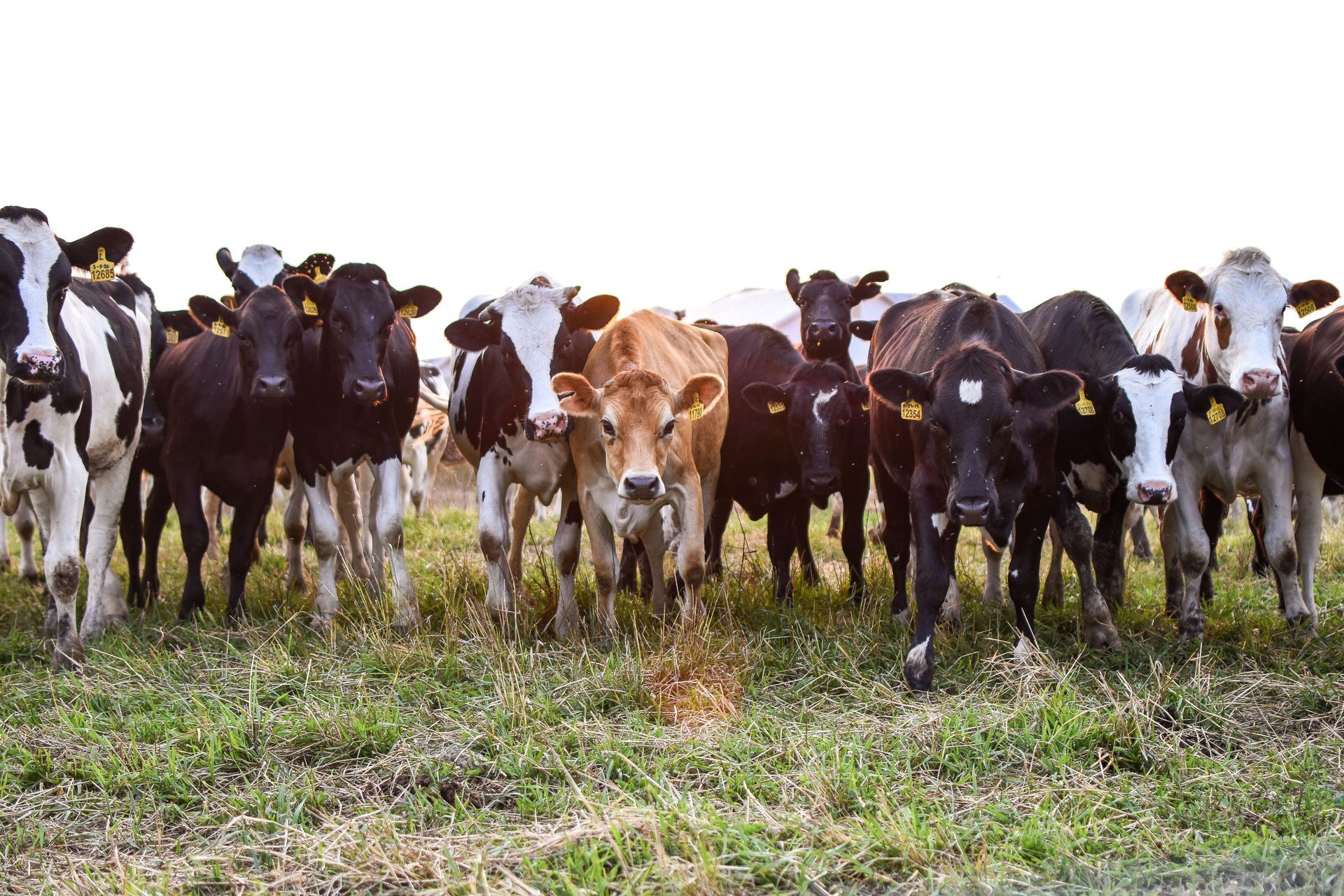
Livestock Risk Protection requires you to decide how many head to insure, what coverage level to select, and which insurance period matches when you plan to market those animals, so the policy aligns with your production timeline rather than forcing you into a one-size-fits-all structure. Coverage levels typically range from 70 to 95 percent of the expected ending value, and higher coverage levels mean the policy responds to smaller price declines but carry higher premium costs. The premium is partially subsidized by USDA, reducing your out-of-pocket expense compared to private hedging tools.
When you market covered livestock, you'll notice that even if cash prices have dropped significantly, the insurance indemnity offsets that loss and stabilizes your revenue per head. The payment calculation uses publicly reported cash prices or CME futures settlements depending on the specific livestock type and policy endorsement, ensuring the indemnity reflects actual market conditions rather than relying on subjective assessments. Claims are processed once you report actual sales or once the insurance period ends and final prices are established.
Many producers use LRP as part of a broader risk management strategy that also includes forward contracting, grain hedging, and production insurance, layering tools that address different aspects of market and production risk. Optimum Service Group works with livestock operators to identify when LRP fits into that mix and how to structure coverage around feeding schedules and expected market windows.
Common Questions About This Coverage
Livestock producers often need clarity on how LRP integrates with their marketing plans and what flexibility the policy provides.
What types of livestock can I insure under LRP?
The program covers fed cattle, feeder cattle, swine, and lamb, with specific endorsements for each category that tie to relevant CME futures contracts and regional cash price indices, so cattle feeders and hog finishers both have access to coverage tailored to their production systems.
How do I choose the right insurance period for my operation?
Insurance periods range from a few weeks to several months depending on livestock type, and you select the period that ends closest to when you plan to market, so a cattle feeder targeting a September sale would purchase coverage that terminates in September, aligning the policy with the actual date those animals leave the farm.
What happens if I sell my livestock before the insurance period ends?
The policy remains in force until the coverage period ends, and the indemnity calculation uses prices from the scheduled end date rather than your actual sale date, so selling early doesn't affect the claim outcome as long as you marketed the insured livestock at some point during or before the coverage period.
Can I adjust coverage if my marketing plans change mid-production cycle?
Policies are purchased for a specific number of head and a fixed insurance period, and once coverage begins you cannot modify those terms, so accurate planning around your feeding schedule and expected market timing is critical when you buy the policy.
How does LRP work differently than forward contracting with a packer?
Forward contracts lock in a fixed price and require you to deliver livestock to a specific buyer, while LRP establishes a price floor but lets you sell to any buyer at current market prices, with the insurance making up the difference if those market prices fall below your insured level, giving you more marketing flexibility.
Effective use of Livestock Risk Protection requires aligning coverage periods with your production schedule and selecting coverage levels that balance premium cost against the financial impact of price declines. Optimum Service Group can walk through policy options specific to your livestock operation and help you determine when to purchase coverage based on market conditions and feeding timelines.